

Shoulder Pain & Tight Upper Traps: What’s Really Going On?

If you’ve ever had shoulder pain, chances are someone has told you:
“Your upper traps are really tight.”
At our clinic, this is one of the most common comments patients hear — but also one of the most misunderstood.
So what does upper trapezius tightness actually mean, and how does it relate to shoulder pain?
Let’s break it down.
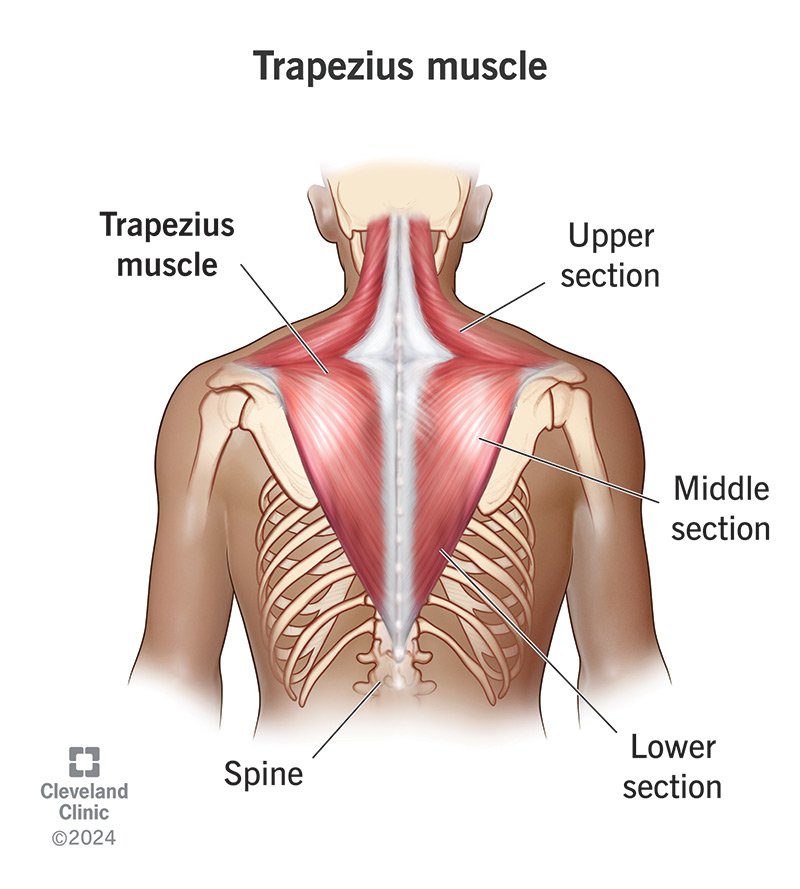
What Is the Upper Trapezius?
The upper trapezius is a muscle that runs from the base of your skull to the top of your shoulder and collarbone.
Its role includes:
Assisting with shoulder elevation
Helping rotate and stabilise the shoulder blade
Supporting neck posture, especially during arm movements
It’s an important muscle — but it’s not designed to do all the work alone.
Why Do Upper Traps Feel So Tight?
Here’s the key point many people miss:
Upper trap “tightness” is often a sign of overuse, not the root problem.
Common reasons we see at the clinic include:
1. Poor Shoulder Blade Control
When the lower trapezius and serratus anterior aren’t doing their job, the upper traps step in to compensate — leading to fatigue and tension.
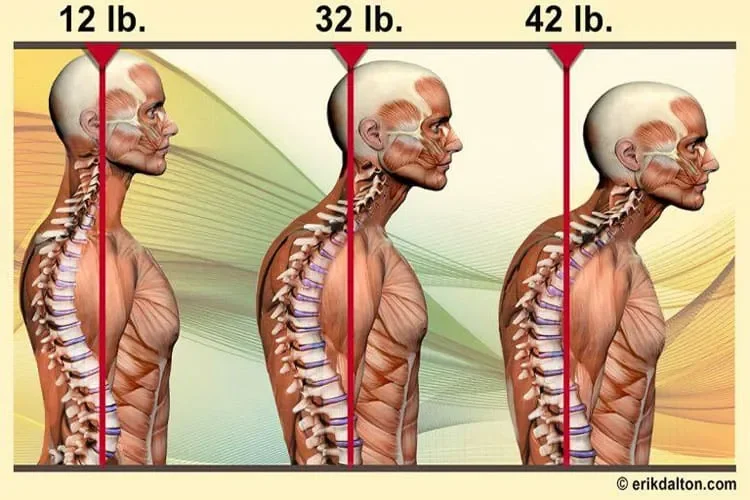
2. Desk & Phone Posture
Long hours sitting, forward head posture, and rounded shoulders place the upper traps in a constantly “on” position.
3. Training Imbalances
Overemphasis on shrugs, upright rows, or pressing exercises without adequate scapular control can overload the upper traps.
4. Stress & Breathing Patterns
Shallow chest breathing and stress can increase baseline tension in the neck and shoulders — especially in high-pressure professionals.
How Does This Cause Shoulder Pain?
Excessive upper trap activity can disrupt normal shoulder mechanics, leading to:
Altered shoulder blade movement (scapular dyskinesis)
Increased compression in the shoulder joint
Reduced efficiency of rotator cuff muscles
Pain during lifting, reaching, or overhead tasks
This is why simply “massaging the knot” often provides temporary relief, but the pain returns.
Should You Stretch or Massage the Upper Traps?
Sometimes — but not always.
While hands-on treatment can help reduce short-term discomfort, it’s rarely the full solution on its own.
At our clinic, we focus on:
Why the upper traps are overworking
What muscles should be sharing the load
How your posture, work setup, and training habits contribute
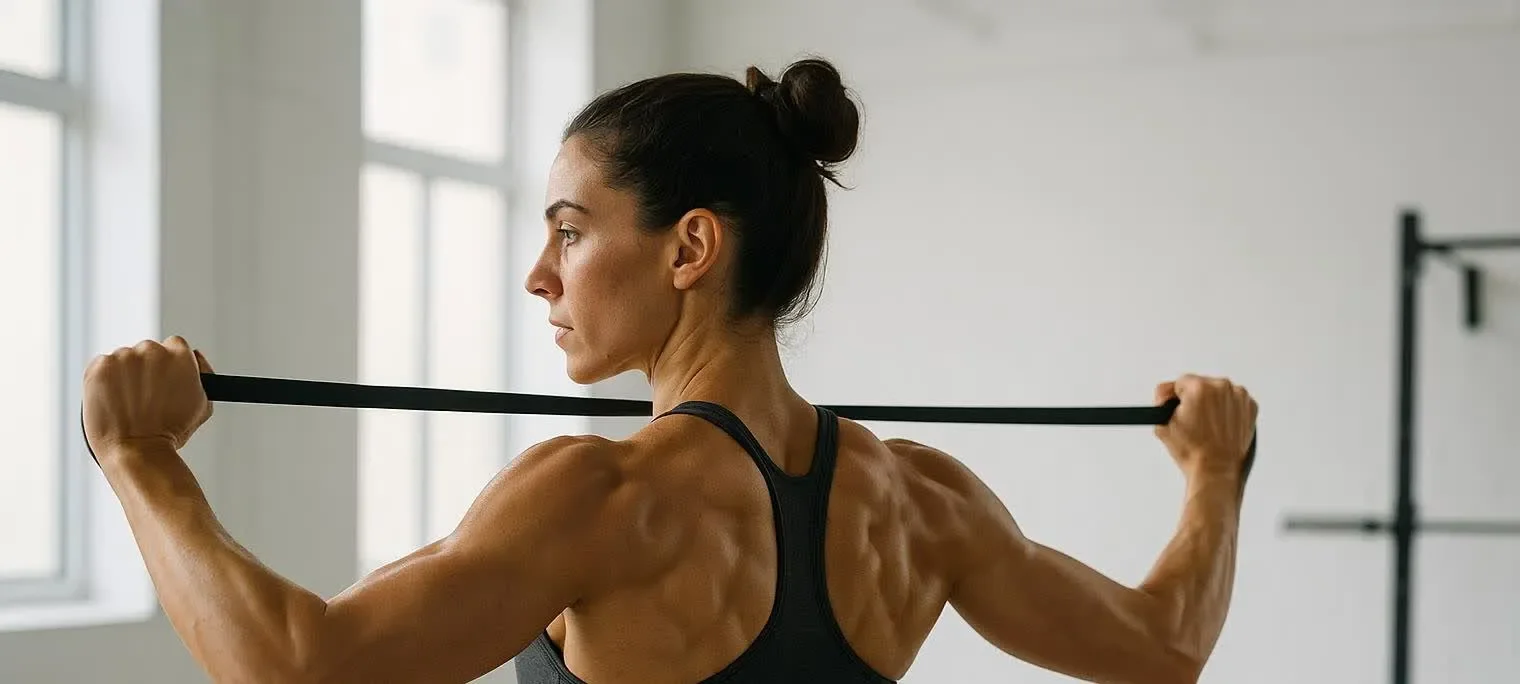
What Actually Helps Long-Term?
Effective treatment usually includes a combination of:
✔️ Improving Shoulder Blade Control
Targeting lower trapezius and serratus anterior activation.
✔️ Strengthening the Right Muscles
Not just rotator cuff — but the entire shoulder-neck system.
✔️ Postural & Ergonomic Advice
Simple adjustments at work or home can make a big difference.
✔️ Load Management
Modifying gym, sport, or daily activities to reduce unnecessary strain.
When Should You See a Physio?
You should consider a physiotherapy assessment if:
Shoulder or neck pain keeps returning
Pain worsens with overhead or repetitive tasks
You rely on frequent massage for relief
You feel “tight” no matter how much you stretch
A proper assessment looks beyond the sore spot — and identifies why it’s sore in the first place.
Final Thoughts
Upper trap tightness isn’t the enemy — it’s often a signal.
By addressing the underlying movement patterns and muscle coordination issues, shoulder pain can be managed more effectively and sustainably.
If you’d like a tailored assessment or exercise plan, our team is here to help you move with confidence again.